
On July 21, 2026, the recorded eBay sold history for Pokémon slabs registered 102 sales at exactly $15.00, one day, one price, spread across at least five completely different cards. It wasn't a crash. It was one seller clearing inventory in bulk, and every one of those rows entered the sold-price record looking like a real market transaction. This is the story of what that does to every price guide downstream, told from our own filtering logs, because before we caught it, it did it to us too.
A median is only as honest as its worst cluster
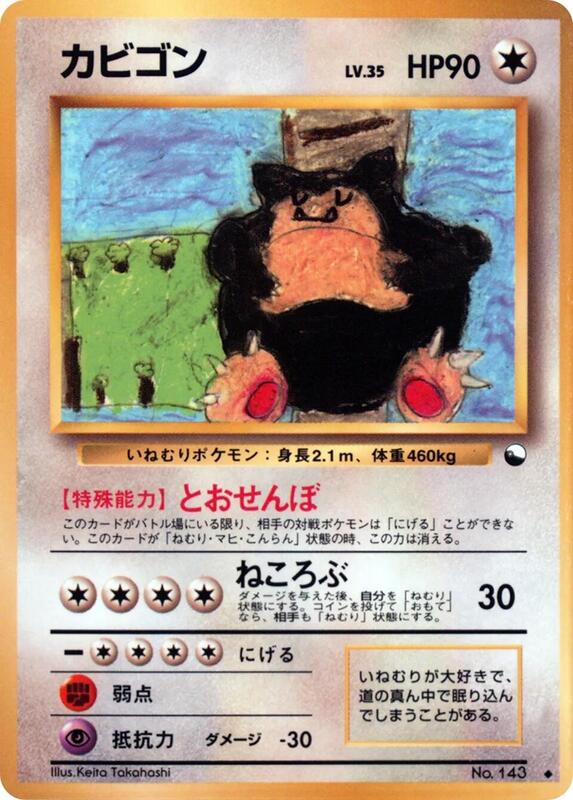
Sold-price aggregators, ours included, price a graded card by taking the median of its recorded sales. Medians resist single outliers, which is why everyone uses them. But they have a blind spot: they count votes, and a bulk liquidation casts dozens of identical votes at once. When a vending-machine Pikachu's PSA 10 pool contained 21 recorded $15 rows from one day and only a handful of real sales, the median WAS $15, mathematically correct, economically absurd. Worse, once the fake cluster becomes the majority, outlier-trimming works in reverse: the genuine $425 and $500 sales get discarded as outliers of the fake price. The better your standard statistics, the more confidently wrong you become.
The $15 seller is not unique, just prolific. Scanning 78,078 recorded sales, we found 198 same-price, same-day clusters spanning three or more different cards: a $100 cluster on June 3 touching nine cards, a $150 cluster on June 1 touching five, a $45 cluster on promo Eevees. Most are small enough to leave medians intact. The failure mode is specific: a big cluster landing on a card with FEW genuine sales. Scarce vintage slabs, exactly the cards buyers most need honest numbers for, are the most vulnerable, because five fake votes can outvote their entire real market.
The victims, priced honestly
One transaction, one vote
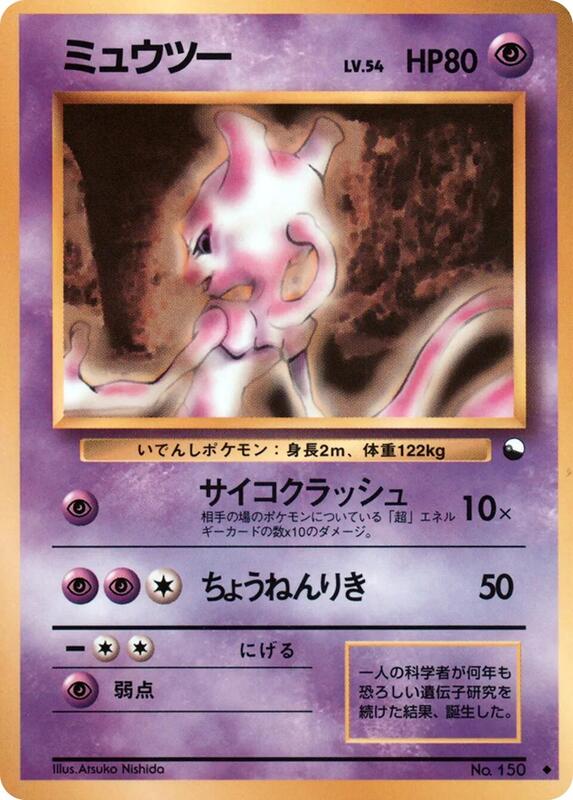
Our rule is now simple and mechanical: up to three same-price sales on one day pass untouched, because that's an ordinary multi-quantity listing selling through. A cluster of four or more identical price-and-day rows, the measured floods ran 5 to 21, collapses to a single vote in the median. And when a grade's entire record consists of flood remnants, we publish no price at all rather than the liquidator's: no number beats a bulk lot's number. The result on screen is what you'd hope: the vending Mewtwo above shows its one genuine $6,200 sale with an honest "single sale" caveat, instead of a confident $177 built from someone's clearance pile.
All figures from moonstone's recorded eBay sold-listing corpus as of August 4, 2026: 78,078 distinct sold listings across the cards our graded pipeline has processed. A cluster is defined as sales sharing an exact price and calendar day; the 198 figure counts clusters of six or more sales spanning at least three distinct cards. The $15 series was observed on ten days between May 29 and July 21, 2026 (largest single day: 102 sales, July 21). Before/after medians for the case-study cards come from our filtering logs, where each row's accepted and rejected sales are recorded. Recorded sold data is scraped from public listings by our upstream provider; individual listings are not independently verified beyond the filtering described. Nothing here is financial advice.