

Two markets grade the same game and they do not behave the same way. Across 346 Japanese cards and 337 English cards carrying a usable PSA ladder, the Japanese registries are more than twice as deep, their slabs record less than a third as many lifetime sales, and the premium for a 10 over a 9 is a quarter flatter.
The two graded markets, side by side, September 4, 2026
| Measure | English | Japanese |
|---|---|---|
| Cards with a PSA ladder | 337 | 346 |
| Median PSA 10 over PSA 9 | 4.28x | 3.20x |
| Median PSA 10 over raw | 9.53x | 10.32x |
| Median PSA 10 population | 270 | 645 |
| Median PSA 10 lifetime comps | 13 | 4 |
| Median PSA 10 price | $162.75 | $125.50 |
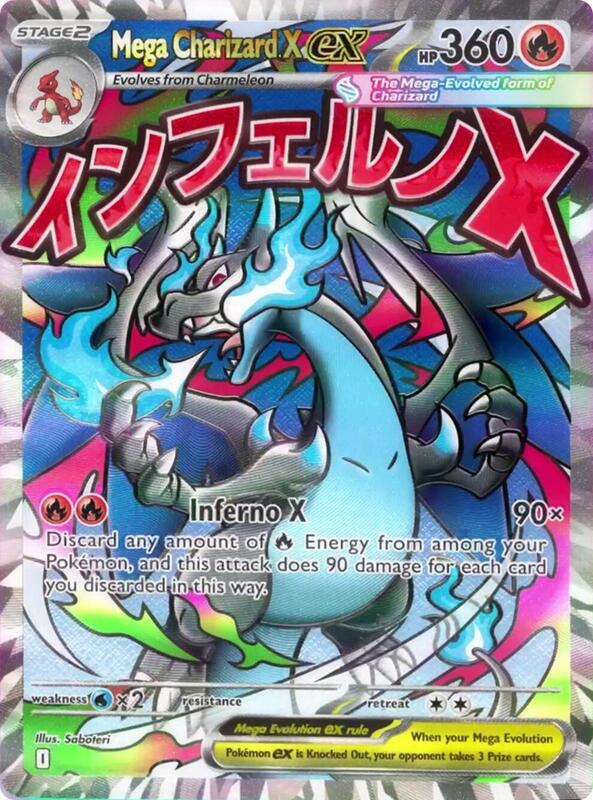
The combination is the interesting part. More slabs exist and fewer of them change hands, which is what a collector market rather than a trading market looks like. And the gem premium being flatter follows from the same fact: when a 10 is less scarce relative to a 9, the market pays less to step up. For contrast, the deepest English tape we hold runs the other way: Mega Charizard X ex carries 1,028 verified PSA 10 comps, Mew ex from Paldean Fates 860, and Umbreon VMAX from Evolving Skies 413. The Japanese median is four. Our challenger stamps study shows the same depth gap decides which graders can be priced at all, and the basement of the registry shows what happens further down the ladder.
Population: the same flattened graded ladder used across this batch, split by the catalog's language field. 337 English and 346 Japanese cards carry a usable PSA ladder. Rows are deduped on the TCGplayer product id before counting, because 972 Japanese and 240 English product ids are each claimed by two catalog rows and an undeduped count is about 3% high and double-counts its extremes. Every figure is a median with its n stated; no matching between the two populations is attempted and none is implied. The store behind this is a current-state cache with no history, so these figures are a cross-section of September 4, 2026 and cannot be rebuilt for that date later. Raw prices resolve through the shared canonical printing rule. Population counts are registry figures as reported by the grading feed. No regression is run and no ratio is built from a shared term.