The most expensive mistakes in this hobby are not fakes. They are TWINS: real, authentic cards wearing another card's artwork. Our scanner resolves thousands of them a week, and the pixels-over-titles rule exists because listings get twins wrong constantly. This is the field guide, written from the machine's case files.
The twin classes, and the tell that separates each
| Twin pair | The trap | The tell |
|---|---|---|
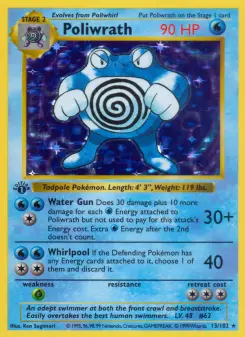
| Base Set Poliwrath vs Base Set 2 | identical art, $38.87 against $18.62 | set symbol; 'Base Set 2' number 15/130 |
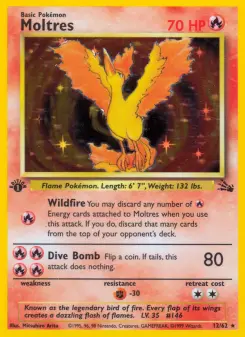
| Fossil Moltres vs its JP printing | same art across oceans | language marks; the JP gap study |
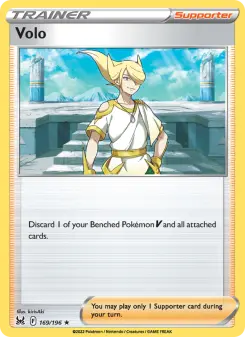
| Volo 169 vs Volo 196, Lost Origin | ONE painting, regular vs full-art | the collector number in the footer |
| Shadowless vs unlimited Base Set | same everything but a shadow | the drop shadow on the art frame |
| Celebrations Classic replicas vs originals | 1999 art, 2021 card | the Celebrations 25th mark |
Why twins fool everyone, including software
Twins defeat casual buyers because the ART is the identity signal humans use, and twins share it by definition. They nearly defeat software for the same reason: our own embedding model scores the two Lost Origin Volos as near-identical because the full art literally IS the regular art, extended. The scanner settles it by reading what humans skip: the collector number printed in the footer, which is why pixels outrank titles is our first law. When a 25-cent card and a $2.70 card share a painting, as the two Volos do, the footer is the only witness that never lies, and the same sentence holds when the gap is four figures wide.
The buyer's protocol is three seconds long: read the number, not the picture. Poliwrath is 13/102 in Base Set and 15/130 in Base Set 2. 169/196 is the regular Volo; 196/196 is the full art. A JP set mark on a 'Fossil' Moltres means you are buying the other ocean's card at whichever price the seller preferred. Every twin above appears in real mixed-up listings weekly; our scanner catches them, but the habit costs nothing and works at card shows where no scanner is watching.
Twin pairs drawn from the scanner's real disambiguation classes (the same cases certified in our 159-case accuracy gate). Price relationships recomputed 2026-09-22 from the per-card tape at its first reading after publication, 2026-08-30, because the pre-publication points for these cards no longer survive in that tape: Base Set Poliwrath $38.87 against Base Set 2 $18.62, a 2.1x gap rather than an order of magnitude, and Volo 169 at $0.25 against Volo 196 at $2.70, a 10.8x one. The title's ten-to-one belongs to the Volo pair. The Volo footer-arbitration case is documented in What the Scanner Sees. Not financial advice.