Ask the community and the verdict is unanimous: the Pokémon market is in a summer dip. Ask our index and you get the opposite: the moonstone Pokémon Index of 40 blue-chip cards rose every single month since we began tracking it, and this summer was its strongest stretch yet, averaging 22.5% above spring levels. Somebody has to be wrong. Nobody is. We measured the summer move of every one of the 211 sets we hold value histories for, and the market split cleanly in two: the modern sets most collectors actually own went red, while vintage and blue-chip material kept climbing. The dip is real. It just is not evenly distributed.
Two markets wearing one name
Summer moves, June 1 to August 8, 2026 (211 sets, real TCGplayer set values)
| Segment | Median summer move | What it holds |
|---|---|---|
| moonstone Index (40 blue chips) | +8% within summer, +22.5% vs spring | vintage holos, iconic alts, established chase cards |
| Vintage and promo sets (170) | +7.8% | WOTC era, EX era, old promos |
| Modern sets, SWSH and SV era (41) | −0.4% | what most active collectors buy |
| Freshly released ME-era sets | −12.4% to −41.6% | Chaos Rising −41.6%, Perfect Order −25.9%, Ascended Heroes −12.4% |
It is a supply cadence, not a season
The dominant force is the release calendar. The ME era shipped five main sets in a matter of months, and our First 90 Days study already measured what a dense calendar does: every new set pulls demand forward and deflates its one-to-three-month-old siblings. Chaos Rising, down 41.6%, is not a victim of summer, it is a victim of the sets that launched right behind it. Stack onto that the reprint waves hitting in-print staples (151 and Obsidian Flames both down 13.6% while visibly restocked) and this week's retail news of Target cracking down on scalpers, which is another way of saying shelves are full again. Falling prices in supplied sets is the system working.
The rotation is visible in our own ledgers
While modern singles bled, vintage set values rose 7.8% at the median and the blue-chip index made new highs. We saw the same rotation inside our graded data: high-ticket modern gems cooled (the Mega Brave Mew ex PSA 10 repriced about 8% lower between two Weekly Buys editions) while raw vintage staples drifted up. That is collectors and investors moving up the quality curve when fresh product stops being scarce, a pattern equity investors would recognize as a flight to quality during supply gluts. The feeling of a market-wide dip comes from portfolio composition: if your binder is mostly sets from the last eighteen months, your personal index really is down this summer, and no blue-chip chart will convince you otherwise.
Seasonality exists, but it is the smaller force
There is a genuine seasonal component: summer is event season, with Worlds in August and convention travel competing for the same discretionary dollars, and listing activity thins. But our index rose through both summers we have tracked, 2025 and 2026, which caps how much of the decline seasonality can explain. If summer itself crashed card prices, the highest-quality cards would show it first, and they show the opposite. Treat the seasonal story as amplification, not cause: thinner liquidity makes the release-calendar deflation steeper and more visible, especially in the mid-tier singles collectors watch daily.
The two sides of this summer, deep-linked




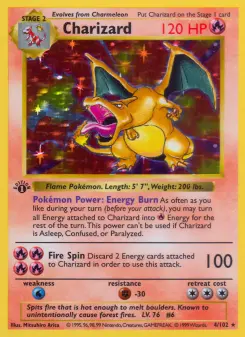
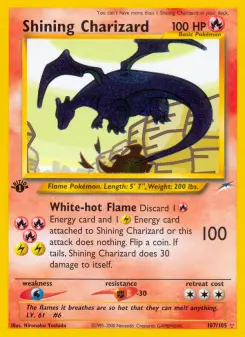
Set values are the summed real TCGplayer market prices of every tracked card in a set, computed daily by our set-history pipeline; summer move compares each set's value on June 1, 2026 with its latest August reading (sets lacking a post-July-15 point excluded, leaving 211). The moonstone Index is the equal-weight 40-card blue-chip series shown on the home page, tracked since February 2025. Modern means SWSH-era onward including ME sets; everything older, plus promo collections, counts as vintage/other. Graded repricing examples come from the immutable Weekly Buys ledger. Measured August 8, 2026.